What Causes Swirl Marks on Your Car and How to Prevent Them
Understanding the common causes of swirl marks on your vehicle's paint and actionable prevention techniques for Treasure Valley car owners.
Co-Founder & Lead Detailer · October 30, 2025
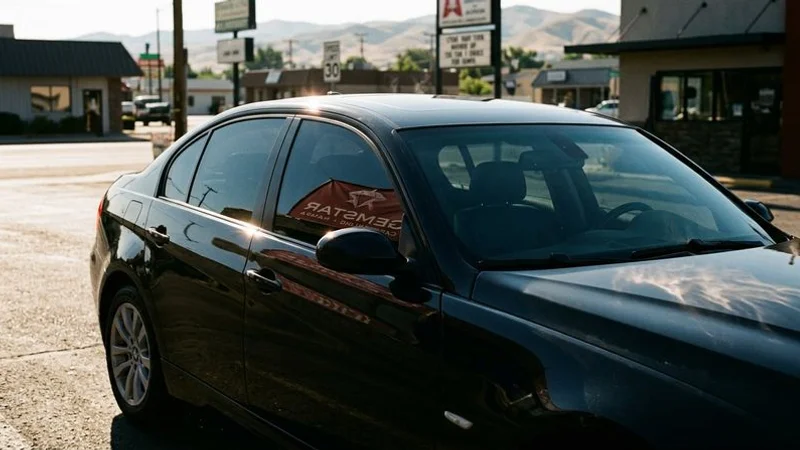
We often find that clients are surprised when bright sunlight reveals a web of scratches on their otherwise pristine vehicles. From what I have observed, these fine circular blemishes are the dividing line between a car that looks decent and one that looks truly immaculate.
Most of these defects are entirely self-inflicted through common washing habits. Understanding exactly what causes swirl marks on your car and how to prevent them is the first step toward true paint preservation.
Our goal here is to outline the exact mechanics of paint damage and provide the concrete steps required to keep your finish flawless. You will see exactly how to avoid these costly mistakes.
What Are Swirl Marks Exactly?
Microscopic scratches refract light in multiple directions rather than reflecting it evenly. This scattering effect creates the hazy, spider-web appearance visible under intense sunlight.
We regularly measure clear coat thickness to assess this specific type of damage. Understanding the physical limits of your paint helps explain why these marks are so critical:
- Factory limits: A standard factory clear coat is extremely thin, measuring only 1.5 to 2.0 mils thick.
- Paper-thin protection: This entire protective layer is less than half the thickness of a standard US dollar bill.
- Correction cost: Professional paint correction must remove roughly 0.25 to 0.4 mils of this material just to level the surface and erase the scratches.
Our professional repair process safely addresses these shallow defects by taking precise measurements first. Leveling the clear coat permanently removes the scratches to restore a smooth, mirror-like surface.
Every single polishing session removes a fraction of that protective layer. We always emphasize prevention to preserve your vehicle’s factory finish for as long as possible.
The Top Causes of Swirl Marks
Automatic Car Washes
This remains the absolute number one cause of paint defects in the Treasure Valley. Friction-style automatic washes rely on spinning brushes made from high-density polyethylene strips or dense cloth.
We see the direct results of these aggressive machines every single week in Nampa. The brushes trap dirt and abrasive debris from every single vehicle that passes through the tunnel before yours.
These contaminated bristles spin at extreme speeds, sometimes exceeding 100 mph. Our team considers this process the equivalent of washing your car with fine sandpaper.
Even touchless washes pose significant risks to your vehicle’s exterior. High-alkaline chemicals compensate for the lack of friction, slowly degrading protective waxes and sealants over time.
Improper Hand Washing
Hand washing is much safer, but only if you use the correct techniques. A single bucket of soapy water becomes a concentrated bath of abrasive dirt within minutes.
We always warn clients about the dangers of using cheap sponges. Traditional sponges feature a flat, closed-cell surface that traps hard particles directly against the paint.
Dragging that contaminated sponge in tight circular motions simply grinds the debris into the clear coat. Our detailing process strictly forbids the use of dish soap.
Household detergents strip away protective coatings and provide zero lubrication for the wash media.
Dry Wiping
Wiping dust off your vehicle with a dry cloth causes immediate and severe micro-marring. Summer winds in the Treasure Valley constantly blow agricultural dust across the region.
We know how tempting it is to quickly wipe off a thin layer of dirt. This regional dust contains microscopic silica particles, which are incredibly hard.
Silica acts as a highly abrasive cutting agent when dragged across a dry, unlubricated clear coat. Our strong advice is to leave the dust alone until you can perform a proper wet wash.
Improper Drying
The drying phase is where many well-intentioned owners accidentally inflict damage. Standard bath towels and cheap chamois leathers create massive amounts of friction.
We replace our drying media constantly to avoid these exact issues. A regular household towel has a very low GSM (grams per square meter) rating, meaning it cannot absorb water or cushion remaining dirt particles effectively.
Pushing a flat, non-absorbent cloth across the surface simply drags any leftover contamination along for the ride.
Automated Detailing and Quick Shops
Speed-focused detailing chains often prioritize rapid turnover over safe procedures. Inexperienced workers frequently use high-speed rotary polishers with dirty, worn-out pads.
We have corrected countless vehicles showing severe buffer trails and holograms from these fast-service shops. Using heavy cutting compounds without proper refinement leaves the finish looking cloudy and heavily marred.
Quality polishing requires patience, clean equipment, and careful temperature management.
How to Prevent Swirl Marks
Use the Two-Bucket Wash Method
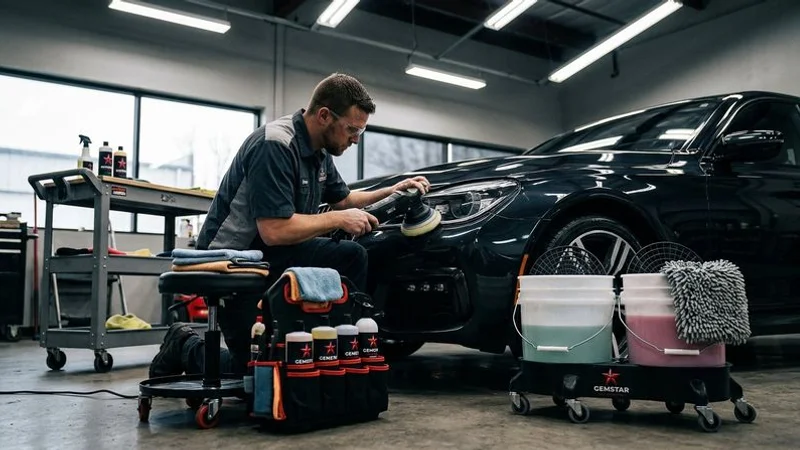
A dedicated two-bucket system forms the foundation of scratch-free maintenance. One bucket holds the soapy wash solution, and the second bucket contains clean rinse water.
We require Grit Guard inserts at the bottom of both buckets. These polymer inserts feature a raised radial surface that traps dirt at the bottom.
The guard prevents the natural vortex of the water from pulling abrasive particles back up onto your wash mitt. Our method ensures the wash media is thoroughly rinsed before touching the soap again.
Invest in Quality Wash Media
Ditch the cheap sponges and switch to a premium microfiber wash mitt. A high-quality 70/30 blend microfiber mitt actively lifts dirt into its deep fibers.
We use these plush materials because they encapsulate the grit away from the flat surface of the paint. Replace these mitts the moment they start looking matted or worn.
Degraded fibers lose their ability to cushion dirt safely.
Wash from Top to Bottom
The lower sections of any vehicle accumulate the heaviest, most abrasive contamination. Rocker panels and bumpers collect aggressive ferrous brake dust and sticky road tar.
We always start washing at the roof and slowly work our way down. This systematic approach prevents you from transferring heavy grime from the bottom panels up to the relatively clean hood and windows.
Save the dirtiest areas for the absolute end of the wash process.
Use a Pre-Wash or Snow Foam
Removing loose dirt before making any physical contact drastically lowers the risk of scratching. A pH-balanced snow foam applied through a foam cannon clings to the paint and breaks down road film.
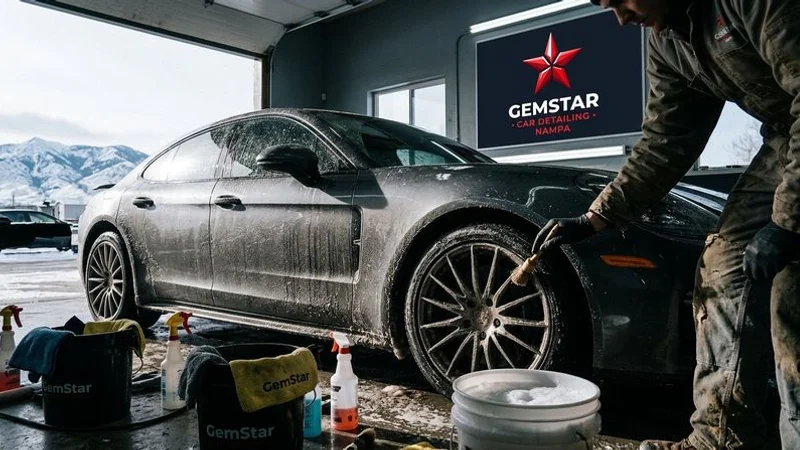
We utilize thick pre-wash foams to safely loosen the heavy agricultural dust common in our region. The foam encapsulates the dirt and pulls it off the vehicle as it slowly drips onto the ground.
Rinsing this foam away removes the majority of abrasive particles without a single touch. Our technicians consider this step mandatory for safe detailing.
Dry Properly
Safe drying requires tools designed specifically for automotive clear coats. A premium twisted-loop microfiber drying towel is the safest contact method available.
We recommend using towels with a density between 900 and 1200 GSM for the best results. These heavy towels can absorb standing water in a single pass without requiring you to aggressively rub the paint.
Using a filtered air blower pushing high-velocity air is an even safer option. Our preferred technique uses forced air to blow water out of tight crevices with zero physical contact.
| Drying Method | Safety Level | GSM Recommendation | Friction Risk |
|---|---|---|---|
| Filtered Air Blower | Highest | N/A | Zero |
| Twisted-Loop Microfiber | High | 900 - 1200 GSM | Very Low |
| Standard Microfiber | Medium | 400 - 600 GSM | Moderate |
| Bath Towel / Chamois | Low | Under 300 GSM | Severe |
Apply Paint Protection
Bare clear coats are highly vulnerable to environmental damage and wash-induced marring. Professional ceramic coating solutions bond at a molecular level to create a hardened, sacrificial shield.
We apply coatings that boast a 9H rating on the Wolff-Wilborn pencil hardness scale. A thorough exterior car detailing session before coating ensures the surface is completely clean and prepared. This 1-10 micron thick layer of silicon dioxide is measurably harder than the factory finish.
It fills the microscopic pores of the paint, creating a hyper-slick surface that prevents dirt from sticking. Our team highly recommends combining a ceramic coating with paint protection film on high-impact areas like the front bumper.
Skip the Car Wash and Go Mobile
Avoiding automated wash tunnels is the single most effective preventative measure. Professional mobile car detailing brings safe, scratch-free wash techniques directly to your driveway.
We use spotless water systems and professional-grade products to guarantee a flawless finish. Hiring a trained expert eliminates the risks associated with improper tools and poor techniques.
What If You Already Have Swirl Marks?
Consumer-grade polishes rarely fix the underlying damage. Products marketed as swirl removers typically rely on heavy silica fillers that merely mask the scratches temporarily.
We explain to clients that these cheap fillers wash away completely after just a few rainstorms. The only permanent solution is to safely level the clear coat through professional paint correction.
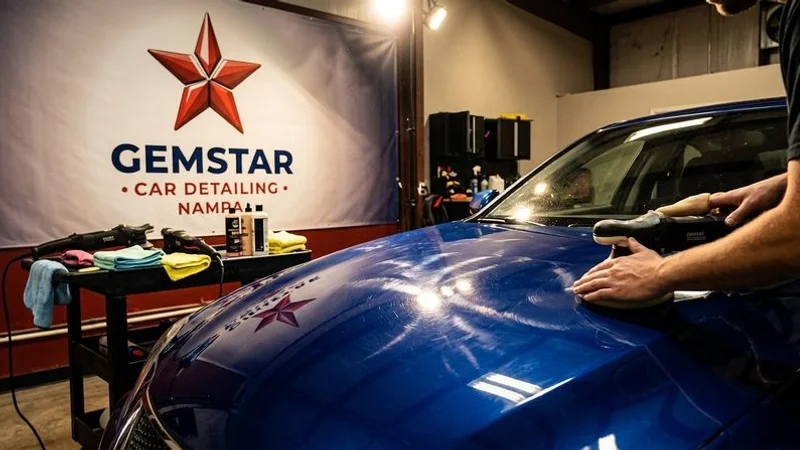
Using dual-action polishers and diminishing abrasives, technicians carefully remove the microscopic layer containing the defects. Our correction process restores optical clarity, allowing light to reflect perfectly off the smooth surface.
Applying a protective coating immediately after correction locks in the results for years. To keep your finish looking its best, consider enrolling in a recurring service plan for regular upkeep.
Summary: What Causes Swirl Marks on Your Car and How to Prevent Them
The vast majority of paint defects originate from improper washing and drying techniques. By recognizing the abrasive nature of regional dust and car wash brushes, you can adapt your routine to protect your clear coat.
Protect Your Paint the Right Way
Now that you know what causes swirl marks on your car and how to prevent them, you can take control of your vehicle’s appearance. Correcting and protecting your vehicle’s finish requires precision, knowledge, and the right tools.
GemStar Car Detailing is ready to restore your vehicle to its absolute best condition.
We offer professional paint correction and ceramic coating services throughout Nampa, Meridian, Caldwell, and the Treasure Valley. Stop letting improper washing techniques dull your investment.
Book your appointment online or call us at (208) 953-9102 to secure your spot today.
Justin Finch
Co-Founder & Lead Detailer
Co-founder of Gemstar Car Detailing with 15+ years of detailing expertise.
Related Service
View Our Paint Correction Service →