PPF vs Ceramic Coating: Complete Comparison for Car Protection
A comprehensive side-by-side comparison of paint protection film and ceramic coating covering protection level, durability, cost, and maintenance.
Co-Founder & Lead Detailer · March 3, 2026
Our team at GemStar Car Detailing constantly hears from clients who are frustrated by the rapid wear on their new vehicles. Modern clear coats simply scratch faster than they used to, making the choice between paint protection film and a ceramic coating critical for your car’s lifespan. Protecting your investment today requires more than a simple wax job.
We are going to break down the hard data on impact resistance, compare the true costs, and outline the exact strategies Treasure Valley drivers use to lock in a flawless look. This PPF vs Ceramic Coating: Complete Comparison for Car Protection covers everything you need to know.
Choosing the correct defense strategy is much easier once you see the facts.
What Paint Protection Film Does
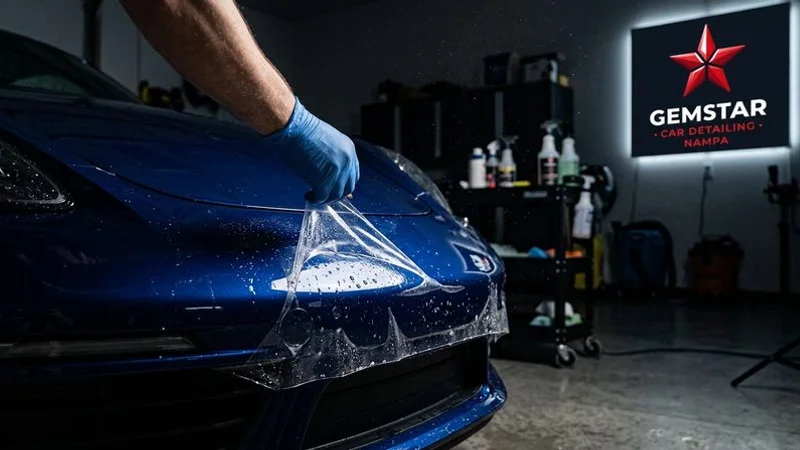
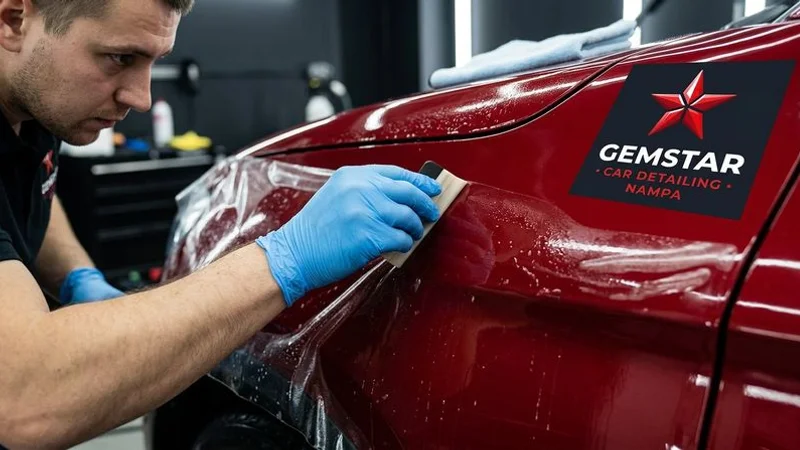
We know that a physical barrier is the only highly effective way to stop rock chips. Paint protection film, commonly called PPF or clear bra, is a thermoplastic urethane sheet applied directly to your vehicle’s painted surfaces. Premium PPF from leading brands like XPEL and SunTek typically measures around 7.6 to 8 mils thick in 2026.
Our clients often ask how much impact this clear film can actually handle on the highway. Rock chips, road debris, sand, and gravel simply bounce off the urethane rather than gouging your paint. Most people will never notice the film on your vehicle unless they are specifically looking for it.
We love showing customers how light scratches in the film vanish with heat exposure from sunlight or warm water. This self-healing feature keeps the vehicle looking flawless without constant polishing. Advanced optical clarity ensures seamless edges and a bubble-free application.
A professional bumper repaint in the US averages between $400 and $1,200 in 2026, making the upfront investment in PPF a smart financial safeguard against permanent damage.
What Ceramic Coating Does
Our approach to chemical defense relies heavily on advanced liquid polymers. Ceramic coating chemically bonds to your vehicle’s clear coat to create a thin but exceptionally durable protective layer. Unlike PPF, this liquid does not add meaningful physical thickness to the paint surface.
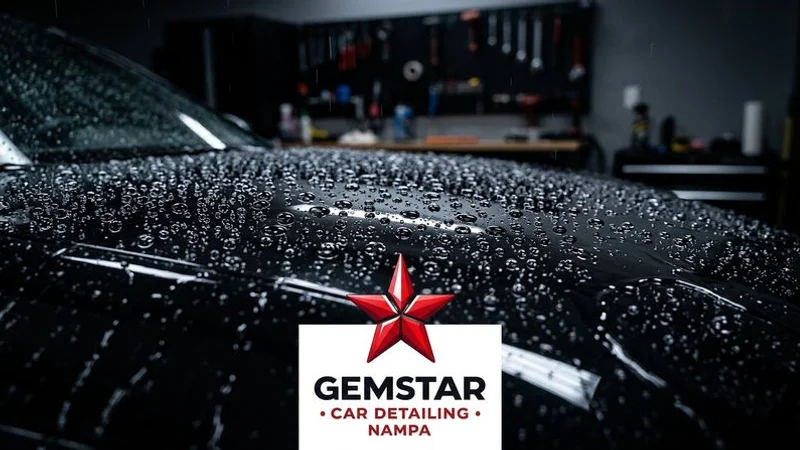
We utilize professional-grade ceramic coatings because they contain high concentrations of silicon dioxide, often exceeding 70 percent. This high SiO2 content cures to an impressive 9H or 10H on the pencil hardness scale. The resulting barrier is intensely hydrophobic, causing water to bead and sheet off the surface instantly.
Core benefits of high-SiO2 ceramic coatings:
- Rapid water sheeting and self-cleaning properties
- Deep, wet-look gloss enhancement
- Resistance to bird droppings and tree sap
- Protection against UV oxidation
Our detailing specialists value how this self-cleaning effect takes dirt and contaminants with it. Your vehicle stays cleaner longer and requires significantly less effort during regular washes. The coating also provides superior UV protection, which is crucial since the Boise area regularly hits an extreme UV index of 11 during June and July.
We must emphasize that a ceramic coating will not stop a rock from chipping your paint. A stone kicked up by a truck on Highway 20 will chip right through it. Impact protection requires a physical urethane layer. Before applying either product, professional paint correction ensures your surface is flawless and ready to bond.
PPF vs Ceramic Coating: Complete Comparison for Car Protection
We constructed a direct comparison to help you evaluate these two options clearly. Understanding the specific strengths of each product makes your purchasing decision much easier. The data clearly shows where each material excels.
Physical Protection
Our testing shows that PPF wins this category decisively. Its thick physical barrier absorbs heavy impacts that would permanently damage bare paint. Ceramic coating provides zero meaningful physical protection against flying rocks or keying.
Chemical Protection
We give the clear edge to ceramic coatings in this specific category. The 9H to 10H chemical resistance is designed to prevent tree sap, bird droppings, and road salts from bonding. PPF provides decent chemical resistance, but it remains more vulnerable to staining from harsh acids over time.
Ease of Maintenance
Our clients consistently report that ceramic coating wins for daily maintenance. The hydrophobic surface makes washing faster, easier, and much less frequent. Water, dirt, and grime slide off coated surfaces with minimal effort.
We recommend a specific cleaning and conditioning routine for PPF, as it does not offer the exact same self-cleaning properties. Proper upkeep ensures the film remains clear and functional for years. Dedicated ceramic boosters can improve the maintenance of bare film.
Appearance
Our application process ensures both products enhance your vehicle’s appearance in different ways. Ceramic coating produces a deep, glossy, wet-look shine that turns heads. PPF provides a clean, protected look but does not enhance gloss to the same extreme degree.
Durability
We see premium PPF typically last five to ten years before it begins to lose its self-healing properties. Professional ceramic coating lasts two to five years depending on the specific product tier and your maintenance habits. PPF has the longer lifespan, making it an excellent long-term structural investment.
Cost
Our full-vehicle PPF installations in the Nampa area generally run three thousand to seven thousand dollars, depending on the vehicle size. Full-vehicle ceramic coating ranges from four hundred to three thousand dollars. Partial PPF coverage on high-impact areas runs one thousand to two thousand five hundred dollars.
| Feature | Paint Protection Film (PPF) | Ceramic Coating (9H/10H) |
|---|---|---|
| Primary Defense | Rock chips and heavy physical impacts | Chemical stains and UV damage |
| Thickness | 7.6 to 8 mils (Standard in 2026) | Liquid nano-layer (Negligible thickness) |
| Lifespan | 5 to 10 years | 2 to 5 years |
The Best of Both Worlds
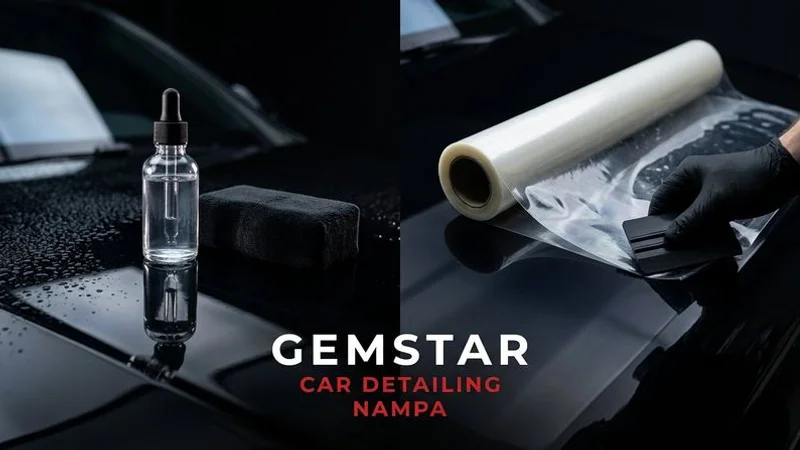
We find that the ideal solution for comprehensive protection is actually combining both products. Treasure Valley drivers frequently opt for what the industry calls a “Full Front” or “Track Pack” PPF installation. This covers the highest-impact zones like the front bumper, hood, fenders, mirror caps, and rocker panels.
We then apply a premium ceramic coating over the entire vehicle, including directly on top of the clear film. This layered approach gives you physical impact armor right where you need it most. You also gain hydrophobic self-cleaning properties and a consistent gloss across every single panel.
Why layering is the ultimate strategy:
- Adds hydrophobic properties to the PPF
- Makes the film easier to clean and resist stains
- Ensures a uniform, glossy appearance across all panels
- Preserves the factory paint in pristine condition underneath
Our most requested service for new vehicles utilizes this exact dual-layer strategy. Protecting a new car from day one prevents damage from ever occurring. You lock in the highest possible resale value for the future.
Idaho-Specific Recommendations
We adapt all recommendations to your typical driving conditions here in the Treasure Valley. The Idaho Transportation Department actively treats winter roads with a highly corrosive 23.3 percent salt brine and liquid magnesium chloride. These harsh chemicals easily eat into unprotected clear coats and accelerate rust on bare metal.
The Idaho Transportation Department’s heavy use of liquid magnesium chloride during winter makes an advanced chemical barrier essential for local drivers who want to prevent permanent rust and paint etching.
Our team strongly recommends PPF on the front end if you regularly commute on I-84 behind gravel trucks. The amount of road debris on local highways makes front-end rock chips almost guaranteed without a physical shield. A standalone ceramic application is often sufficient if you primarily drive on paved city roads and prioritize a glossy shine.
We advise combining both treatments if you regularly drive on gravel roads around Canyon County. The combination of clear film and a 9H nano-coating provides the most comprehensive defense available. Regardless of which option you choose, pairing paint protection with window tinting creates a fully protected vehicle both inside and out.
Choose the Right Protection for You
Our dedicated technicians at GemStar Car Detailing provide expert guidance and flawless professional installation. Choosing the best strategy depends entirely on your specific vehicle and daily driving habits. Understanding this PPF vs Ceramic Coating: Complete Comparison for Car Protection ensures you make a smart investment.
We proudly serve Nampa, Meridian, Caldwell, Eagle, and the entire Treasure Valley area. The safety and beauty of your vehicle deserve professional-grade solutions. Our exterior car detailing service provides the perfect surface preparation before any protective treatment. Book your protection consultation online or call us at (208) 953-9102 to secure your appointment today.
Justin Finch
Co-Founder & Lead Detailer
Co-founder of Gemstar Car Detailing with 15+ years of detailing expertise.
Related Service
View Our Paint Protection Film Service →