How to Care for Paint Protection Film: Maintenance Guide
A comprehensive maintenance guide for paint protection film, covering proper washing techniques, products to avoid, and tips to maximize your PPF investment.
Co-Founder & Operations Manager · February 14, 2026
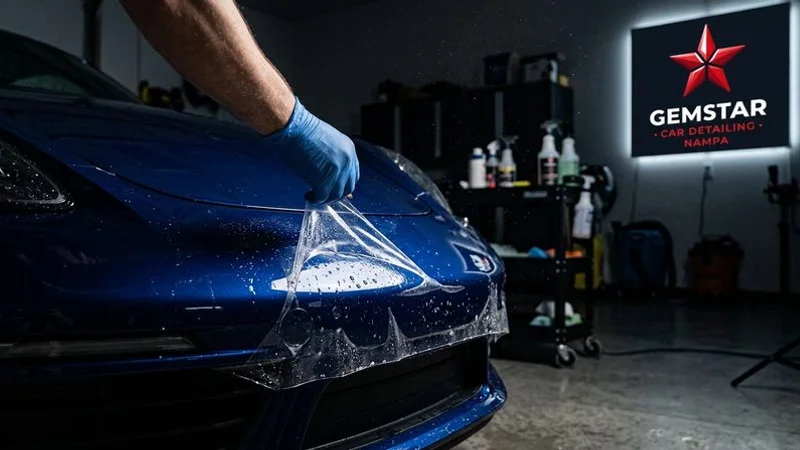
Our team at Gemstar Car Detailing Nampa knows that keeping a luxury vehicle spotless is a constant battle for busy professionals. You invested in this invisible shield to save time and preserve your car’s value.
This article serves as your How to Care for Paint Protection Film: Maintenance Guide.
We consider investing in paint protection film one of the best decisions you can make for your vehicle’s paint. The film itself requires a specific routine to perform at its peak.
Let’s look at the science behind the material, what it actually tells us about daily wear, and explore a few practical ways to respond.
The First Two Weeks After Installation
Our shop fields calls every week about the curing timeline. The adhesive needs undisturbed time to fully bond with the clear coat. In the US, optimal curing happens when outside temperatures sit between 68°F and 75°F.
We tell clients to wait 5 to 14 days before attempting a wash. High humidity levels will easily extend this crucial timeframe. Small water bubbles or slight haziness are completely normal right now.
Our technicians advise leaving the car parked in a shaded, dry area. Trapped moisture naturally evaporates through the film’s microscopic pores as the adhesive sets. Rushing the washing process will destroy the fresh bond. We provide all clients with this strict two-week checklist.
- Keep it dry: Keep the exterior completely dry to prevent edge lifting.
- Skip the chemicals: Skip all waxes or sealants to avoid chemical interference.
- Hands off: Our experts insist you never press on early installation bubbles.
- Park smart: Park away from trees to prevent sap from etching the soft surface.
- Be patient: Patience during this phase guarantees years of flawless performance.
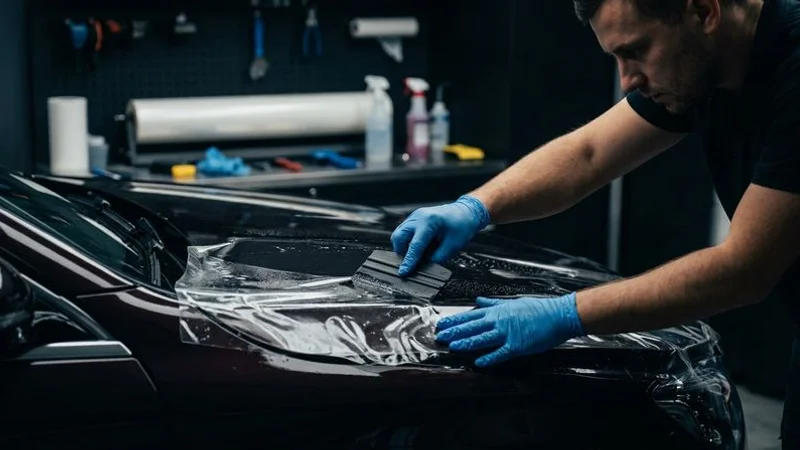
Proper Washing Technique for PPF
Our maintenance protocols shift dramatically once the curing period ends. Regular washing prevents environmental contaminants from degrading the top layer. The process requires some distinct modifications compared to washing bare metal.
Hand Wash Only
We actively warn customers against visiting automatic car washes.
- Brush damage: Spinning brushes easily catch on unprotected edges and violently peel the plastic back.
- Chemical burns: Harsh industrial chemicals used in these automated tunnels degrade the clear coat layer instantly.
Use PPF-Safe Products
We recommend purchasing a pH-neutral automotive wash soap. The ideal soap sits right between a pH level of 6 and 8. Dish soap and aggressive degreasers dry out the flexible urethane material.
The Right Wash Method
Our detailing bays utilize the two-bucket wash method exclusively. Start from the top of the roof and work your way down. Gentle, straight-line strokes prevent dirt from grinding into the surface.
Drying
We finish every wash with a high-quality microfiber drying towel. A 900 to 1200 GSM twisted-loop microfiber towel absorbs water fast without scratching. A standard 20x30 inch towel covers large panels easily. We created this quick comparison to help you choose the right tools.
| Wash Tool Type | Safe for Film? | Primary Benefit or Risk |
|---|---|---|
| 1000 GSM Twisted-Loop | Yes | Glides over clear coat |
| Natural Leather Chamois | No | Drags hard debris |
| pH 7 Car Wash Soap | Yes | Protects delicate oils |
| Standard Dish Soap | No | Strips essential moisture |
High-quality accessories cost a bit more upfront. They save you thousands in premature replacement costs.
Products to Avoid on PPF
Our suppliers constantly remind us about chemical compatibility. Knowing what ruins the material is crucial for long-term survival. Several common garage chemicals will permanently stain the surface. We compiled the top offenders to keep away from your garage.
- Petroleum distillates: Petroleum distillates like naphtha and kerosene dissolve the urethane base.
- Hidden solvents: Many cheap quick detailer sprays hide these cheap solvents in their ingredients.
- Abrasive polishes: Our paint correction specialists never use traditional abrasive polishes on protected cars.
- Clouding risks: Polishing compounds cloud the specialized top layer permanently.
- Acidic removers: Bug and tar removers often contain aggressive acids that cause rapid yellowing.
We advise extreme caution if you use a pressure washer at home. Keep the nozzle pressure under 1500 PSI to be safe. Directing the spray closer than twelve inches forces water right under the adhesive line.
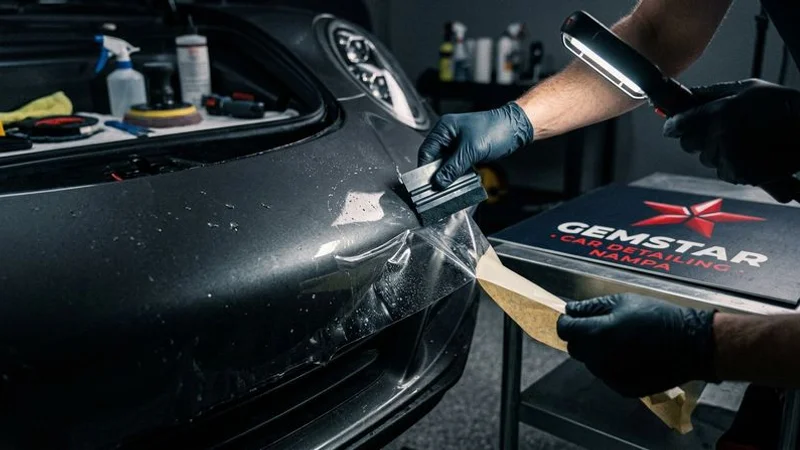
Maintaining the Self-Healing Properties
Our favorite feature of premium film is the self-healing top coat. This specialized elastomeric polymer easily recovers from light scratches and swirl marks. The molecules actually rearrange themselves and flow back into their original shape when heated.
We see this technology work best in direct summer sunlight.
The material typically needs to reach around 120°F to 160°F to activate. Scratches literally vanish within thirty minutes to two hours under optimal conditions.
We suggest a simple trick for winter damage in Idaho. Pouring warm water directly over a scuff triggers the same thermal reaction. Abrasive scrubbing ruins this sensitive elastomeric layer forever.
Seasonal Maintenance for Idaho
We adapt our cleaning strategies as the Treasure Valley weather changes. Each season introduces a distinct set of environmental threats. A proactive schedule keeps the urethane flexible and clear. Enrolling in a recurring service plan ensures you never miss a seasonal cleaning window.
Spring
Our spring preparation focuses on chemical decontamination. The Idaho Transportation Department uses thousands of tons of magnesium chloride during winter. A thorough early spring wash neutralizes this highly corrosive anti-icing agent.
Summer
We love how the intense July UV index accelerates the self-healing features.
- Softened adhesives: The extreme heat softens the adhesive slightly during the afternoon.
- Water spot risks: Wash the vehicle in the early morning to prevent hard water spots.
Fall
We warn clients about the hidden dangers of autumn leaves. Falling foliage and tree sap bake into the plastic very quickly. Organic acids etch a permanent shadow into the surface if ignored.
Winter
Our detailing shop stays busy fighting winter road salt accumulation.
State road crews spread aggressive salt brine across local highways daily.
Wash the lower rocker panels every two weeks to stop chemical yellowing.
When to Have Your PPF Professionally Inspected
We strongly advise scheduling a professional inspection at least once every twelve months. Early detection of edge lifting saves you from buying a brand new panel. Technicians easily spot UV degradation or adhesive failures before they spread.
Our inspections identify areas where the self-healing properties are failing. Catching road debris penetrations early prevents moisture from reaching the bare metal. Combine this visit with regular exterior detailing and ceramic coating maintenance for comprehensive vehicle care.
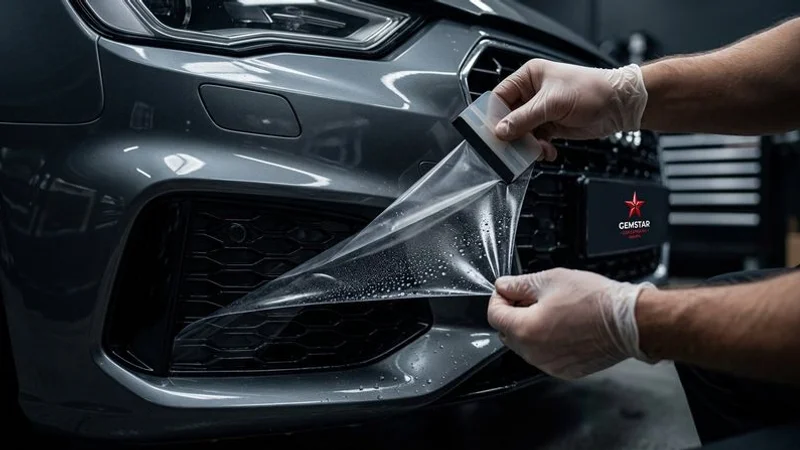
We hope this How to Care for Paint Protection Film: Maintenance Guide helps your vehicle look stunning for years to come.
Proper maintenance guarantees that the plastic shield continues absorbing daily impacts.
Book your PPF maintenance appointment online or call us at (208) 953-9102 to keep your protection in top condition.
Kayden Hofler
Co-Founder & Operations Manager
Co-founder managing Gemstar's mobile detailing operations across Treasure Valley.
Related Service
View Our Paint Protection Film Service →