Ceramic Coating vs PPF: Which Is Best for Idaho Drivers?
A detailed comparison of ceramic coating and paint protection film for Idaho drivers facing road salt, gravel, and extreme temperature swings.
Co-Founder & Lead Detailer · January 25, 2026
Many of our clients ask us directly: Ceramic Coating vs PPF: Which Is Best for Idaho Drivers? We see the exact same frustration every season. Idaho drivers bring in beautiful luxury vehicles, only to find the factory finish destroyed by local driving conditions.
Our team at Gemstar Car Detailing Nampa was established to set a new standard for excellence in the auto detailing industry. Providing premium solutions that actually work for this specific climate is a top priority.
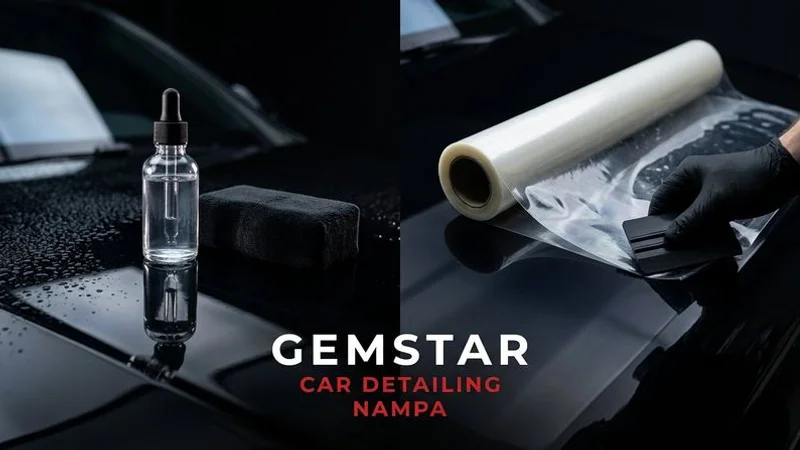
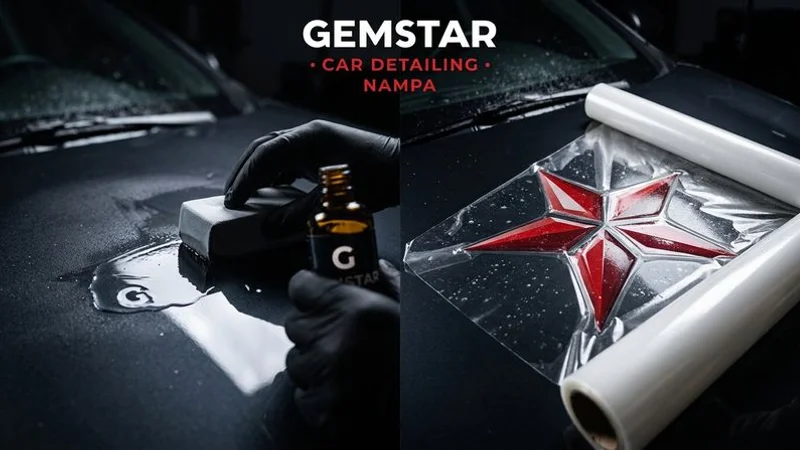
Two of the most effective options are ceramic coating and paint protection film (PPF). These treatments protect your car in fundamentally different ways.
We will break down the exact differences between these methods. The following sections outline the precise strategies that keep vehicles looking pristine year-round.
How Ceramic Coating Protects Your Vehicle
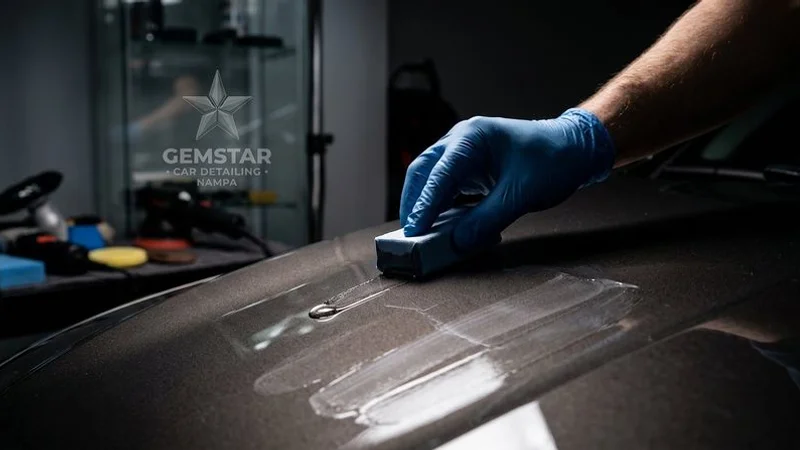
Ceramic coating is a liquid polymer that bonds chemically to your clear coat. This process creates a thin but exceptionally hard protective layer. Standard factory clear coat typically sits around 2H to 4H on the pencil hardness scale.
Our preferred professional ceramic coatings cure to an impressive 9H hardness. This hardened surface provides several distinct advantages for daily drivers:
- Extreme hydrophobicity: Water beads up and rolls right off the surface.
- Chemical resistance: The barrier blocks etching from bird droppings and tree sap.
- Enhanced gloss: The polymer magnifies the depth and shine of the underlying paint.
We always explain to clients that ceramic coating does not add any meaningful physical thickness to your paint. It will not stop a rock chip from a gravel truck on Highway 55. The liquid layer simply cannot absorb the physical impact of road debris kicked up on I-84 during your commute from Nampa to Boise.
How Paint Protection Film Protects Your Vehicle
Paint protection film is a clear, thermoplastic urethane film physically applied to your vehicle’s paint. Modern premium options from brands like XPEL and SunTek are typically eight to twelve mils thick. This thickness is approximately sixty percent thicker than a standard vinyl wrap.
Our installations provide substantial physical protection against rock chips, scratches, and road debris.
Premium films feature self-healing elastomeric polymers, allowing minor scratches and swirl marks to vanish when the surface is exposed to heat from the sun or a warm garage.
PPF is particularly valuable for Idaho drivers who frequently travel on gravel roads or follow construction vehicles. The thick urethane absorbs impacts that would otherwise chip or scratch your paint bare. It acts as a physical suit of armor for your vehicle’s most vulnerable panels.
We remind drivers that the trade-off involves surface tension and chemical defense. PPF does not offer the exact same hydrophobic properties or chemical resistance as a standalone ceramic coating. Water does not bead and roll off the raw film as easily, requiring a specific maintenance routine to prevent water spots.
Idaho-Specific Considerations
Rock Chips and Road Debris
The Treasure Valley has an abundance of gravel roads, construction zones, and agricultural traffic. If you drive on Karcher Road, Midland Boulevard, or any of the rural routes around Nampa and Caldwell, your front end is constantly pelted with small stones.
Our local data shows that the front bumper, hood, and fenders take the vast majority of this physical abuse. In this specific scenario, PPF provides impact absorption that a liquid ceramic coating simply cannot match.
Road Salt and Winter Chemicals
During Idaho winters, local highway districts in Canyon County and Ada County apply liquid magnesium chloride as an anti-icing brine. One pound of magnesium chloride is as effective as ten pounds of traditional rock salt at breaking the bond between snow and pavement.
This chemical efficiency makes it a nightmare for automotive clear coats. The solution sits on your vehicle’s paint and causes rapid corrosion over time if left unwashed.
We highly recommend ceramic coating for winter defense. Its chemical-resistant barrier prevents these corrosive substances from bonding to your clear coat. PPF provides some physical protection, but the edges and seams of the film can allow salt brine to work its way underneath if not properly maintained.
Summer UV Exposure
Both ceramic coating and PPF offer vital UV protection during Idaho’s intense summers. Prolonged sun exposure leads to photodegradation. This process breaks down the chemical bonds in your clear coat.
Our shop frequently repairs paint that has turned chalky or faded through professional exterior car detailing, with red pigments typically fading the fastest. Both protective products significantly slow this oxidation process. Ceramic coating tends to maintain a higher-gloss appearance over the long term because it will not yellow under severe UV index conditions.
Cost Comparison
Understanding the current pricing structure helps you make an informed decision for your vehicle. We compiled the average 2026 market rates for professional applications in the Nampa and greater Boise area.
Ceramic coating for a full vehicle typically ranges from $400 to $3,000. This price depends heavily on the product tier and the amount of paint correction required before application.
Our PPF installations run significantly higher because the premium urethane material itself is expensive and the installation is highly labor-intensive. Here is a breakdown of what you can expect to invest:
| Protection Type | Coverage Area | Average 2026 Cost Estimate |
|---|---|---|
| Ceramic Coating | Full Vehicle | $400 - $3,000 |
| Basic PPF | Partial Front (Bumper, Mirrors) | $500 - $1,500 |
| Standard PPF | Full Front End (Hood, Fenders) | $1,500 - $2,500 |
| Premium PPF | Full Vehicle Wrap | $3,000 - $7,000 |
Many Idaho drivers find the best value in a hybrid approach. This involves installing PPF on high-impact areas like the front bumper, hood, fenders, and mirror caps.
We then apply a ceramic coating on the rest of the vehicle. This strategy provides physical armor where you need it most while keeping the entire vehicle exceptionally easy to clean.
Can You Use Both Together?
Absolutely, and this layered system provides maximum defense. Applying a professional ceramic coating directly over a paint protection film is one of the best combinations available on the market today.
This dual-layered approach gives you the absolute best of both technologies:
- The PPF base: Provides heavy-duty physical impact protection against flying rocks and debris.
- The Ceramic topcoat: Adds extreme hydrophobic properties and enhanced UV resistance to the urethane film.
- The combined result: An easy-to-wash vehicle with maximum durability.
Our most discerning Nampa and Meridian clients choose this combination for their daily drivers. It is especially popular for new heavy-duty trucks that see constant use on unpredictable Idaho roads.
The final result is a vehicle that physically deflects rock chips on the front end while actively repelling water and harsh contaminants across every single surface. Owners immediately notice the difference during their first wash.
Ceramic Coating vs PPF: Which Is Best for Idaho Drivers?
Selecting the right application depends entirely on your driving habits, budget, and primary concerns.
- Choose ceramic coating if your primary goals are ease of maintenance, chemical resistance against winter road salts, UV protection, and a brilliant shine. Ceramic coating is the ideal choice for vehicles primarily driven on paved, clean city roads.
- Choose PPF if you frequently drive on gravel roads, follow heavy construction traffic, or want maximum physical protection against chips and deep scratches. PPF is the absolute right choice if preserving your factory paint from impact damage is your top priority.
- Choose both if you want comprehensive, uncompromising protection. This layered strategy is an incredibly smart investment for new luxury vehicle purchases in the Treasure Valley where you want to lock in the highest possible resale value.
Get Expert Advice for Your Vehicle
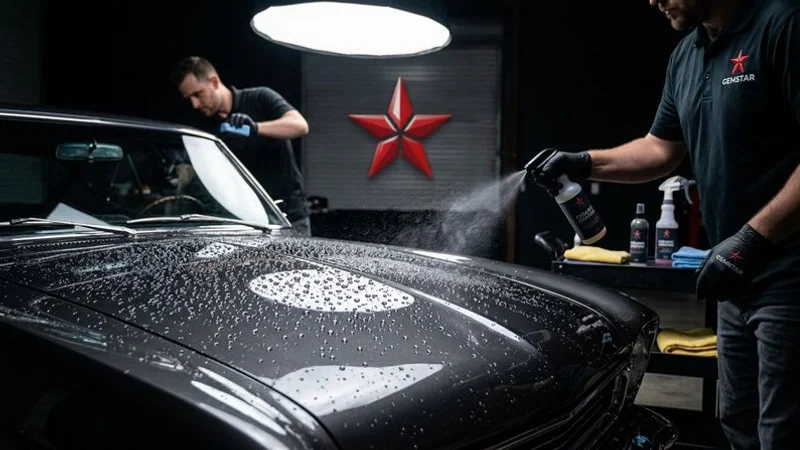
If you are still debating the question of Ceramic Coating vs PPF: Which Is Best for Idaho Drivers?, the experienced team at GemStar Car Detailing can assess your specific driving habits and recommend the ideal protection strategy.
We offer professional ceramic coating and paint protection film services, as well as comprehensive combination packages. The shop proudly serves Nampa, Meridian, Caldwell, Eagle, and the greater Treasure Valley.
Book your consultation online or call us at (208) 953-9102 today to secure your vehicle’s finish.
Justin Finch
Co-Founder & Lead Detailer
Co-founder of Gemstar Car Detailing with 15+ years of detailing expertise.
Related Service
View Our Ceramic Coating Service →